Understanding how the “tourist tax” works — and whether it can create a more sustainable travel future.
Italy welcomes millions of visitors each year, and its most iconic destinations — Venice, Florence, Rome, the Amalfi Coast — often struggle with the sheer volume of tourists, especially during peak season. In response, more Italian cities have introduced or increased a tourist tax, hoping to balance visitor numbers, generate funds for preservation, and encourage more conscious travel.
But could this measure truly help reduce mass tourism?
Here’s what luxury travelers need to know.
What Is Italy’s Tourist Tax?
Italy’s “tourist tax” (called tassa di soggiorno) is a small daily fee applied to overnight stays in hotels, B&Bs, villas, and short-term rentals. The amount varies by city, accommodation type, and season — usually ranging from €1 to €10 per person per night.
In some destinations, such as Venice, an additional day-tripper tax is being tested to help manage the flow of visitors who visit without staying overnight.
The purpose of the tax is not only financial; it’s also strategic. Funds are used for:
- maintaining historic monuments and cultural sites,
- improving city services affected by tourism,
- supporting local infrastructure,
- and in some cases, implementing visitor management policies.
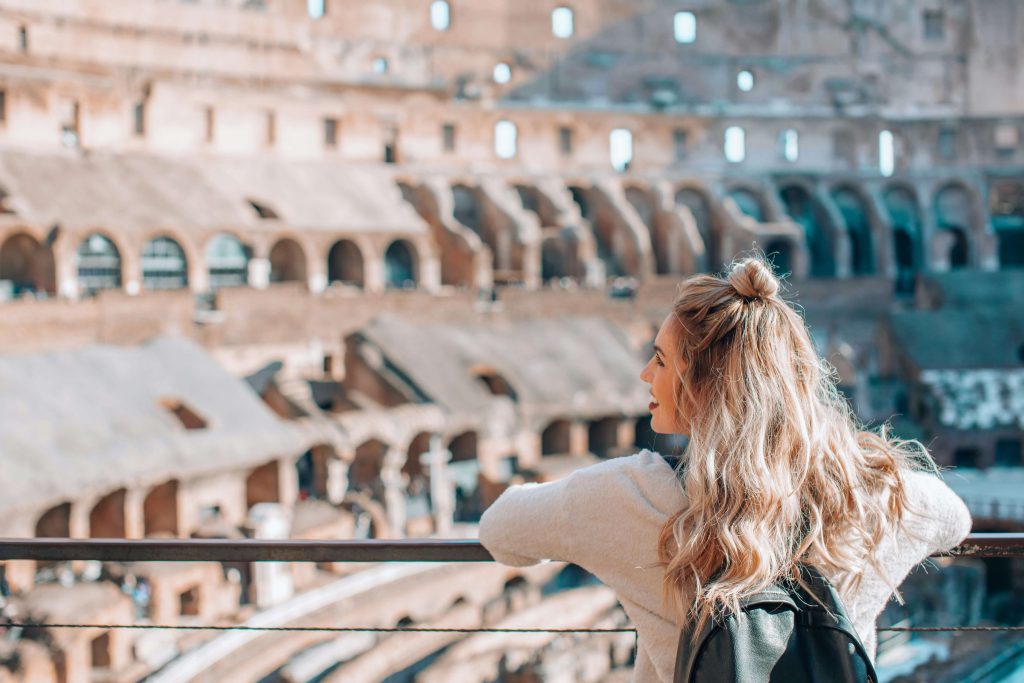
Why Italy Is Turning Toward Tourism Regulation
Mass tourism has been an increasingly urgent issue over the last decade. Cities like Venice experience “overcapacity” during high season, making daily life difficult for residents while diminishing the quality of the visitor experience.
The tourist tax is one of several tools designed to address this pressure. Others include:
- timed entry to major attractions,
- visitor caps,
- promoting shoulder seasons,
- decentralizing tourist flows toward lesser-known areas.
The ultimate goal? A more balanced and sustainable tourism model.
Could the Tourist Tax Reduce Mass Tourism?
The answer is: possibly — but only when combined with broader policies.
1. It may deter low-cost, high-impact tourism
A small tax won’t influence luxury travelers, but it can discourage some forms of ultra-budget tourism that contribute heavily to congestion without supporting local economies.
2. It encourages more meaningful, longer stays
Those who travel with intention — staying multiple nights, choosing curated experiences, exploring responsibly — are far less likely to be dissuaded by the tax.
Cities want these travelers.
3. It funds preservation and improves the visitor experience
Tourist taxes finance restoration projects, museum services, transportation improvements, and heritage protection. These enhancements benefit conscious travelers seeking authenticity and beauty.
4. It works best when paired with undertourism strategies
Promoting regions like the Langhe, lesser-known lakes, quiet Venetian districts, or small Tuscan villages helps spread visitors beyond overcrowded hotspots — something Italy is increasingly investing in.
What Luxury Travelers Should Expect
For high-end visitors, the tourist tax will likely feel similar to resort fees or city taxes elsewhere in Europe. It is small compared to the experience Italy offers — and, importantly, it contributes directly to protecting the places travelers love.
Luxury travelers today value:
- sustainability,
- cultural preservation,
- responsible travel practices,
- and exclusivity over volume.
In that sense, the tourist tax aligns with the evolution of luxury travel itself.
Is the Tourist Tax the Future of Sustainable Tourism in Italy?
Not on its own — but it’s a step toward a more thoughtful travel model.
Italy is recognizing that true tourism value lies not in numbers, but in quality: travelers who appreciate art, heritage, food, wine, landscapes, and slow travel. Travelers who prefer to experience Italy, not just visit it.
Combined with deeper strategies — such as promoting lesser-known destinations, improving infrastructure, supporting local artisans, and developing premium cultural experiences — the tourist tax becomes part of a more holistic vision.
A vision where Italy remains enchanting not only today, but for generations.

Travel Italy Thoughtfully, Beautifully, and With Intention
If you’re inspired to explore Italy in a way that supports local culture, avoids overcrowded paths, and embraces authenticity, curated private tours can completely transform the way you travel.
Iconic Experience Italy crafts bespoke itineraries designed around culture, gastronomy, hidden gems, and meaningful encounters — helping travelers discover Italy with refinement, respect, and ease.
Your journey can be both unforgettable and sustainable — the most luxurious combination of all.